Short doesn't have to feel small
A compact water journey works because the mode of travel is already part of the experience. The hours between two stops aren't dead transfer time — they're the centre of the plan. That's what makes one overnight surprisingly effective, as long as the route isn't overloaded.
Reduction is the main design decision
Choose one departure, one meaningful stop and one overnight rhythm. Every extra transfer or activity competes with the reason you're on the water. A good short itinerary leaves visible blank space.
Match the route to the weekend you actually have
If Friday evening is busy, start Saturday morning instead of forcing a late arrival. If Sunday's journey home is long, keep the second leg short. The itinerary should reduce friction around the water time, not add to it.
When an overnight is worth it
It earns its place when the second day genuinely shifts the perspective — a different harbour, a longer scenic stretch, a quieter morning departure. If the overnight only adds a bed and more luggage, a strong full-day route may serve you better.
Who tends to like this format
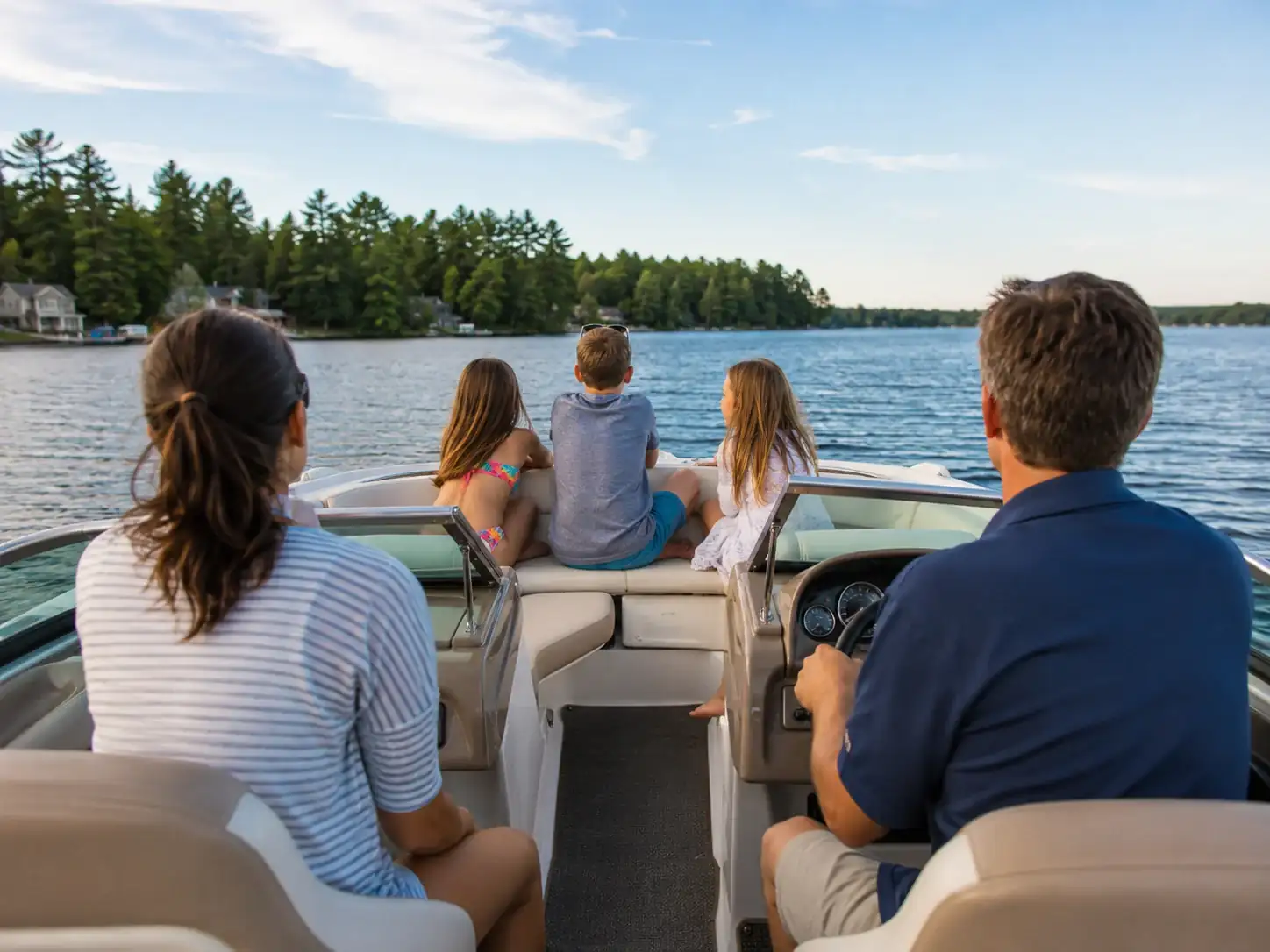
Couples and small groups who enjoy slower travel usually get the most from it. Families can too, provided sleeping arrangements, meal timings and children's needs suit the vessel.
Make the weekend feel longer by scheduling less
Leave room after arrival. Don't pre-book every meal and hour. The water journey has already supplied the main event — let the shore time stay deliberately ordinary.
Prepare the enquiry with practical facts
State your date window, group size, preferred sleeping arrangement, departure region, and how far you'll travel by road or rail to board. That's enough to test whether an overnight route is genuinely workable.
Give the operator facts, not a fantasy itinerary.
Date window, group size, duration, access needs and appetite for open water are enough to start. The useful detail comes next.
Build the brief