The day ends before the route does
An evening trip has a built-in rhythm. Work, sightseeing or family plans are already behind you, so the water isn't competing with the rest of the day. That often makes a three-hour route feel more complete than the same hours in a busy afternoon.
Light changes the same shoreline
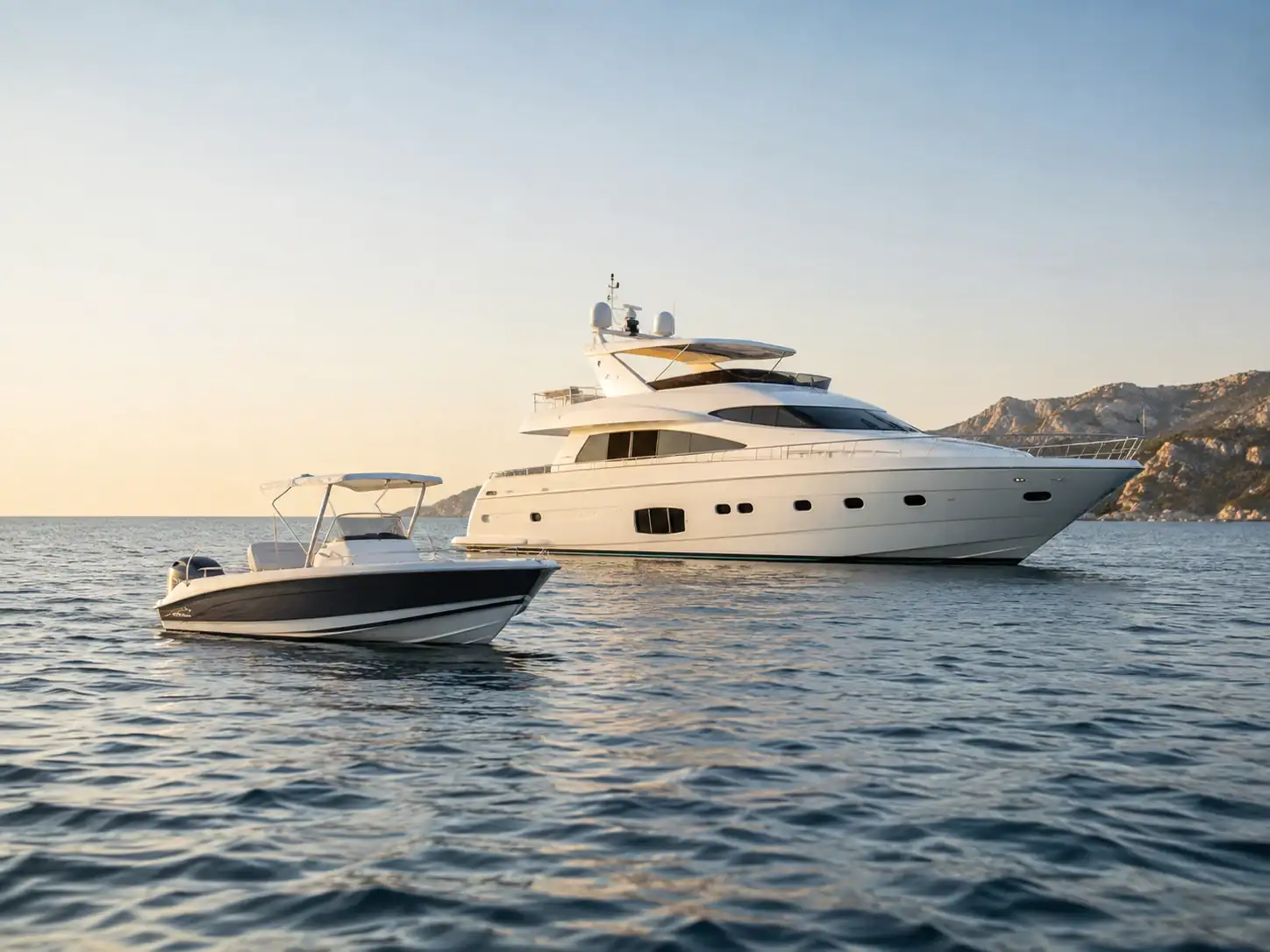
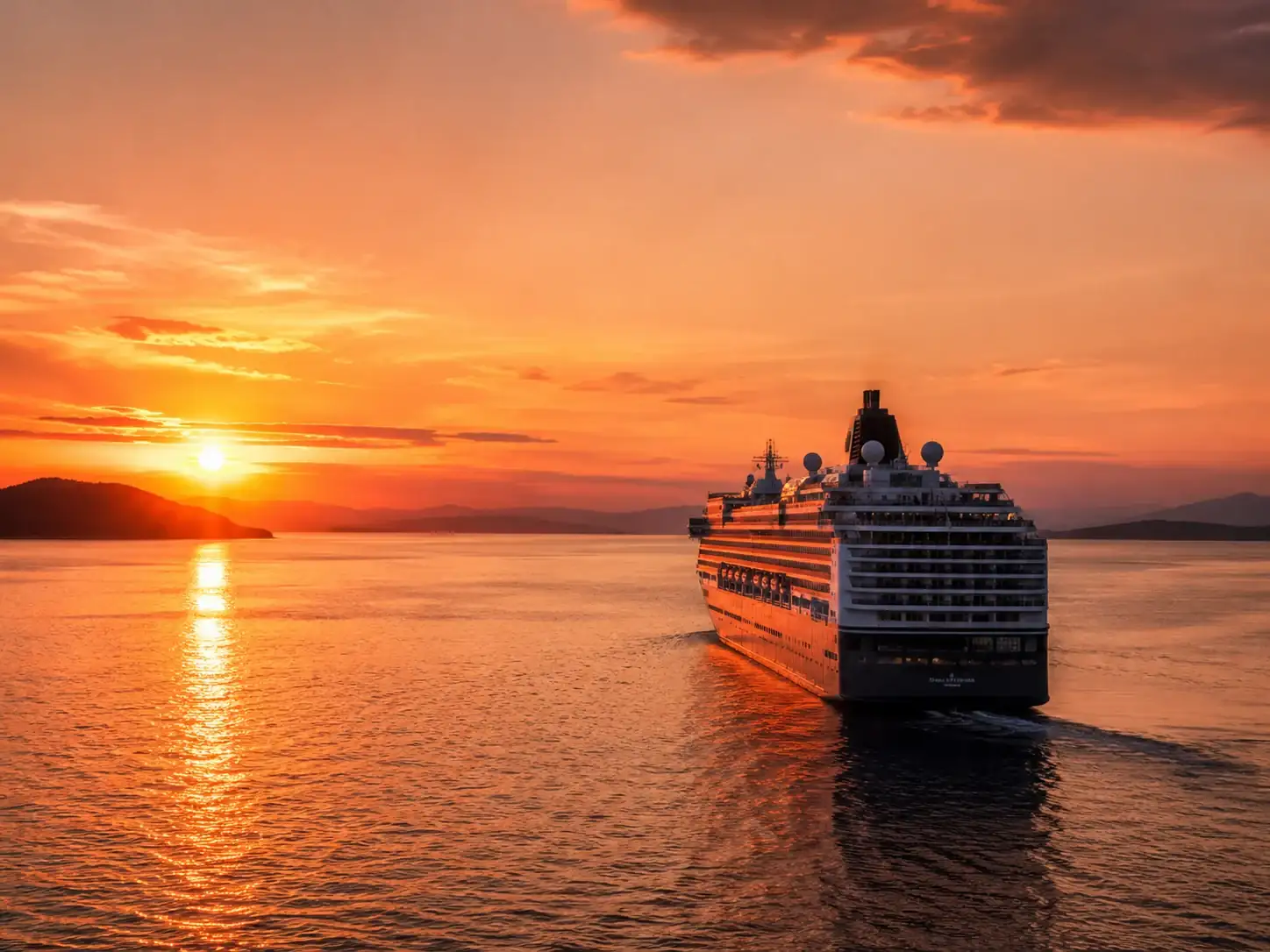
Low sun makes harbour walls, headlands and water texture stand out differently. Later, shore lights give familiar places a sharper outline. The route doesn't need extra landmarks when the atmosphere itself keeps shifting.
Lower heat keeps a group comfortable
In warmer stretches, a later departure cuts direct heat and glare. It can also mean cooler air on the return, so a light layer is worth carrying even if the afternoon felt warm on land.
Who tends to enjoy it most
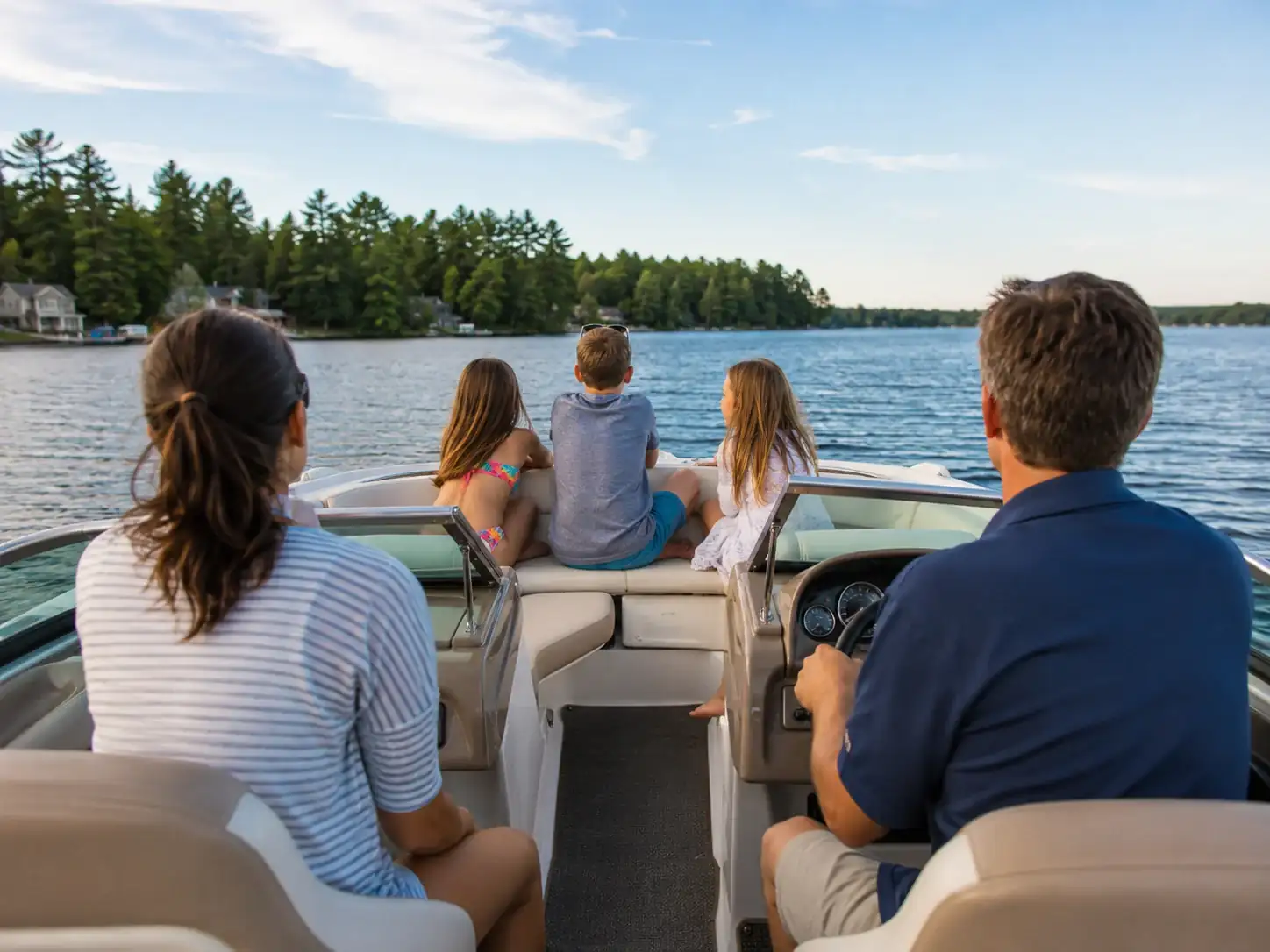
Couples, small adult groups and families with older children often like the natural end point. It suits people who don't want a full-day commitment. Very young children, or anyone tied to an early routine, may prefer a morning slot instead.
What to check before booking
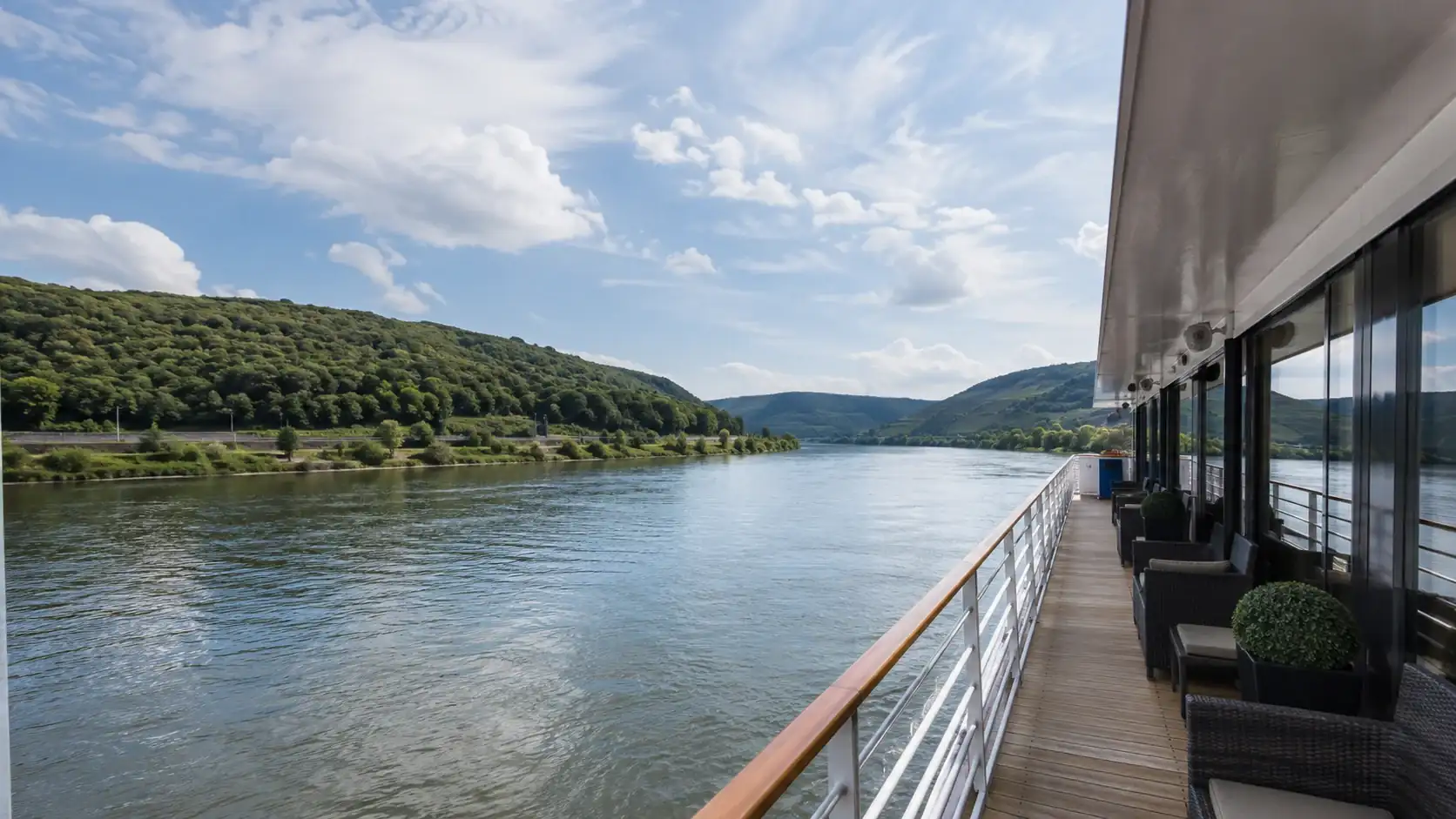
Confirm the planned return time, boarding point, transport after arrival, and what happens if weather shifts the departure. Ask whether food is included and whether there's enough sheltered seating once the temperature drops.
Familiar places can feel new after dark
The strongest evening routes don't chase novelty. A harbour mouth, town frontage or headland is enough when the light keeps moving. The goal isn't collecting sights — it's letting one stretch of water carry the shift from day into night.
Getting more from a twilight route
Keep the rest of the schedule light. Eat before boarding, or pick one simple food plan. Bring a warm layer and don't overload the route with stops — the evening already supplies its own sequence: departure, low light, dusk, return.
Give the operator facts, not a fantasy itinerary.
Date window, group size, duration, access needs and appetite for open water are enough to start. The useful detail comes next.
Build the brief